What actually is play therapy?
I often get asked, what exactly is play therapy?
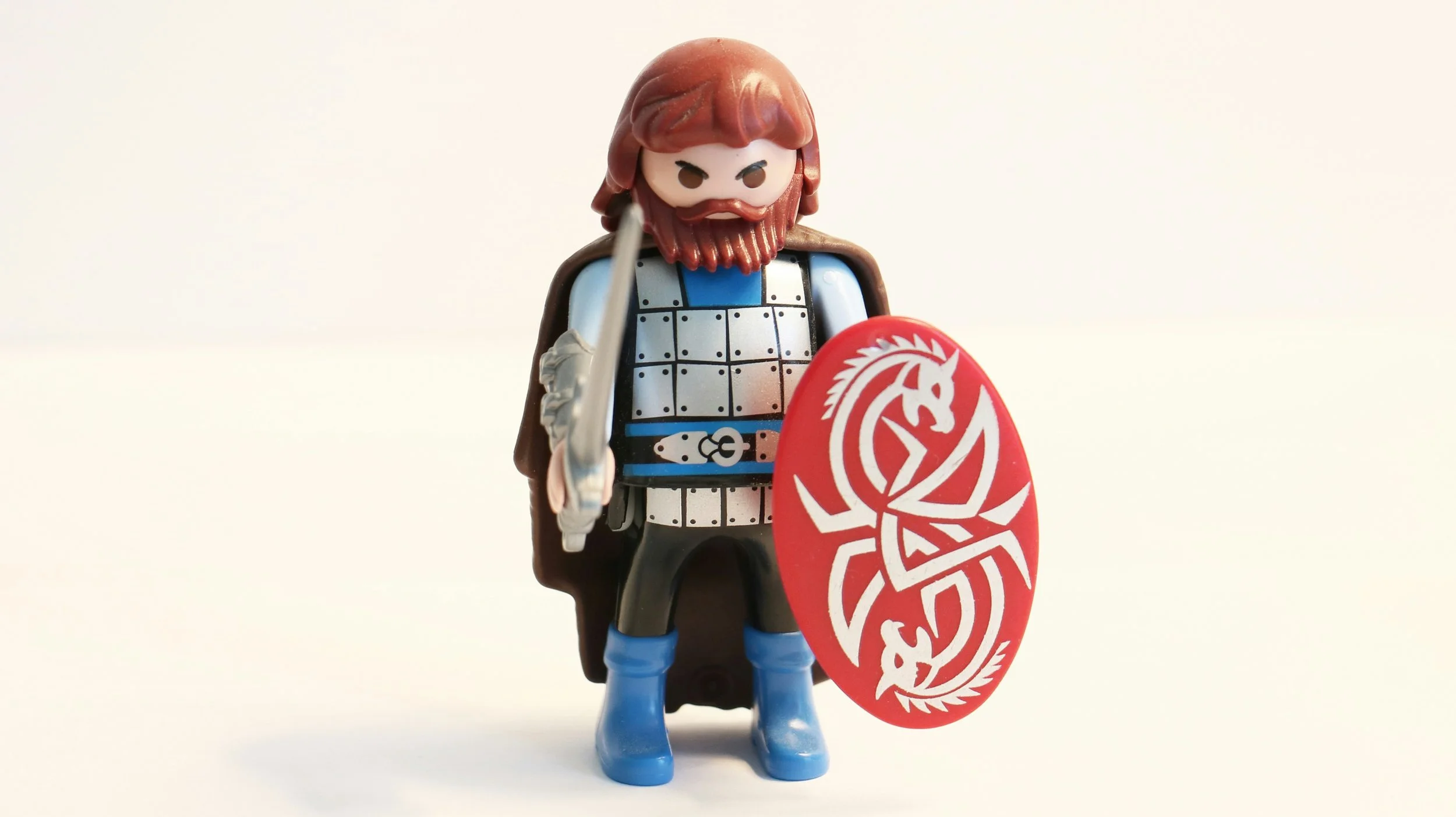
The answer I often provide starts by explaining that for many of us, finding words to describe how we feel is difficult — sometimes paralysing — so how can we expect children to meet such an impossible task? What all children do is play; they are incredible at it given the opportunity. Play is their language. It is how they express themselves and make sense of their world. It is safe and in their control.
Play therapy simply gives children a safe space where they can explore their feelings, make sense of the world, and try out different roles. During sessions there are no expectations of what a child ‘should’ be doing.
It all sounds pretty simple, doesn’t it? But what is the difference between a child playing and play therapy? The crude answer is the presence of a trained therapist. Actually, it is much more than the therapist’s presence. It is having a therapist who is fully present and entirely focused on the child and what they are doing and saying. They are not judging the child or their actions, but observing and immersed in their play. For the duration of the session, the child is the most important person in the therapist’s world, and the child is accepted for exactly who they are in that moment.
It is this environment that supports children to explore their feelings and experiences. I am a firm believer that children know innately — not always immediately — what it is they need to work on, and my role as a therapist is to be alongside them for as long as they need me to be.
As always, I am here to help, so please do get in contact if you have any questions.
Penny 🏮