Toy Spotlight: The Bubble Wand
I thought I would try something new and cast a spotlight on some of the most popular toys in my toolkit
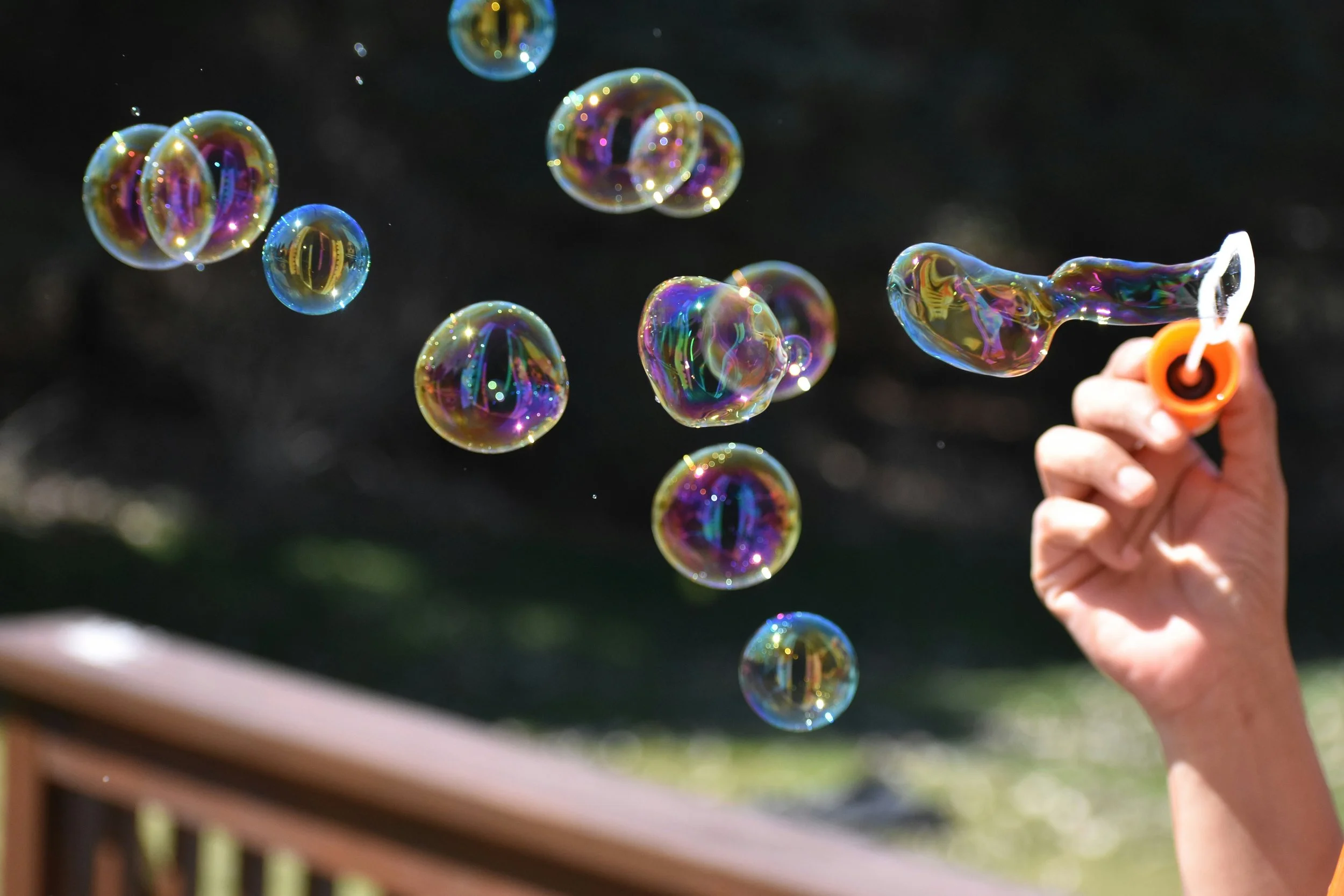
I am constantly on the lookout for new toys, and going into any kind of shop selling toys brings me a lot of excitement — and a very real need for self-restraint!
Before setting up my practice, I spent a long time thinking about what toys I needed (and actually wanted) in my toolkit. Thankfully, there is some brilliant guidance out there about the types of toys recommended for a play therapy room and why (you can here more about this by clicking here (chapter 10). One piece of advice I was given early on was that it is important to like and have some connection with the toys you make available. That has really rung true for me.
What I am about to share isn’t based on one particular child, but on a mixture of clinical experiences accompanied by my slightly rambling thoughts about what might be going on in the play. Part of the magic for me (and perhaps the frustration for others!) about play therapy is that there is no guarantee that what I think might be being communicated through a child’s play is actually the case. And, most importantly, it doesn’t really matter if I know or get it right. The meaning belongs to the child.
I’ve decided to start with the bubble wand. Mainly because I’ve been surprised by how regularly it is chosen, but also because I think it beautifully demonstrates just how endless the possibilities can be for such a humble toy.
Aside from blowing bubbles and popping them, you might be wondering what else there is to do with a bubble wand.
In the play therapy room, bubbles can be caught and blended together. They can be split apart. They can be danced around the room. They can be blown backwards and forwards between two people. A bubble wand can even become a poison dagger — just to name a few possibilities.
But there can be more to bubbles, too.
They can offer a way of connecting without using words. They can feel familiar. They can bring joy and wonder. Blowing them can naturally slow our breathing. They can give us something to focus on. They can be unpredictable. They can burst when we don’t want them to, disappear before we’re ready or stubbornly refuse to appear at all. They can give us opportunities to experience cause and effect, anticipation, frustration, excitement and surprise.
Or…
they can just be bubbles.
Bubbles blown simply because blowing bubbles is fun.
I think that last bit is really important. In the playroom, play isn’t always something else. I am not sitting there looking at every choice a child makes and trying to decipher its hidden meaning. Much of the time, play is simply play.
But every so often, something within that play might carry a little more meaning for a child. My job isn’t necessarily to work out exactly what that meaning is. It’s to be alongside them while they explore it.
All of that from one little bubble wand.
As always, if you have any questions about play therapy, please don’t hesitate to get in touch.
And I’d love to hear — what has the humble bubble wand meant in your playroom?
Penny 🏮